
Exposure vs. Timing: The Mental Load No One Talks About
The Emotional and Mental Prep Caregivers Do Before Outings With Autistic and Neurodivergent Kids
Caregivers live in a constant negotiation between what their child needs and what their own nervous system can realistically support. It’s not a simple matter of “just go” or “just stay home.” It’s a daily calculus – one that blends exposure, timing, mental preparation, and the unpredictable realities of neurodivergent family life.
For many families, especially those navigating sensory needs, medical recovery, or developmental differences, even a short outing can require an hour or more of mental preparation. Not because the caregiver is unwilling. Not because the child is incapable. But because the caregiver is carrying the full weight of planning, anticipating, regulating, and responding.
And that takes energy – real, measurable energy.
“Just take them out, they won’t learn otherwise.”
The Myth of “Just Take Them Out”
There’s a cultural pressure to expose children to as many experiences as possible. Parks. Museums. Restaurants. Social events. New environments. New people. New routines.
Exposure is important. It builds resilience, flexibility, and confidence.
But exposure without timing is a recipe for overwhelm – for both the child and the caregiver.
What people don’t see is the invisible labor behind the scenes:
• Mentally rehearsing the outing
• Predicting sensory triggers
• Packing backups, snacks, meds, comfort items
• Preparing scripts for transitions
• Bracing for derailments
• Accepting that plans may shift at any moment
This is not “overthinking.” This is caregiving.
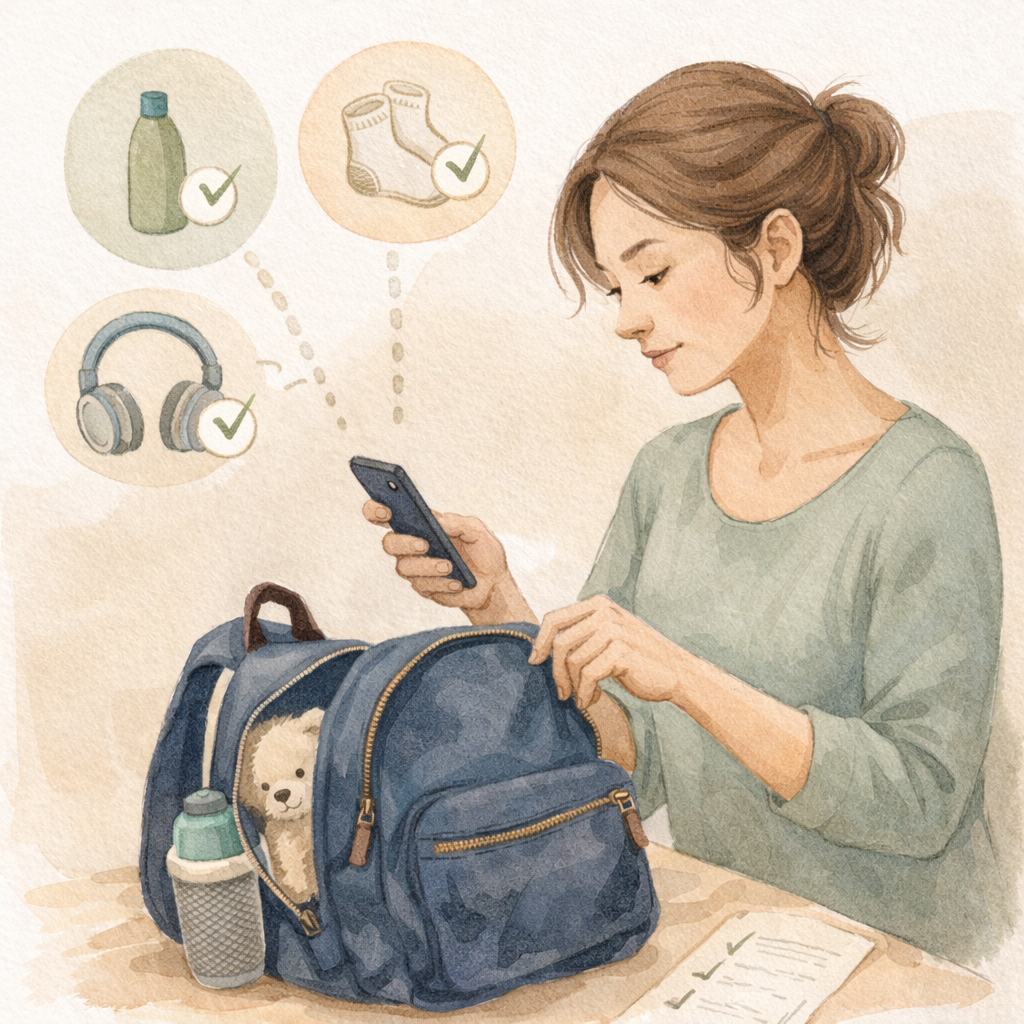
When Preparation Takes Longer Than the Outing
Sometimes the mental load of preparing for a 30-minute activity takes an hour or more. And when you’re solo – like when your spouse is out or working – that load doubles.
You’re not just preparing the outing. You’re preparing yourself.
Because you know the outing will require:
• More patience
• More emotional regulation
• More sensory awareness
• More flexibility
• More stamina
And that’s before you even leave the driveway.
The Caregiver’s Internal Tug-of-War
There’s a real tension between: “My child deserves exposure to new experiences.” and “I need to protect my mental health so I can show up well.”
Both are true. Both matter. Both deserve respect.
This is the part of caregiving that rarely gets acknowledged: You can want the best for your child and still need to pace yourself.
That’s not avoidance. That’s not weakness. That’s sustainable caregiving.
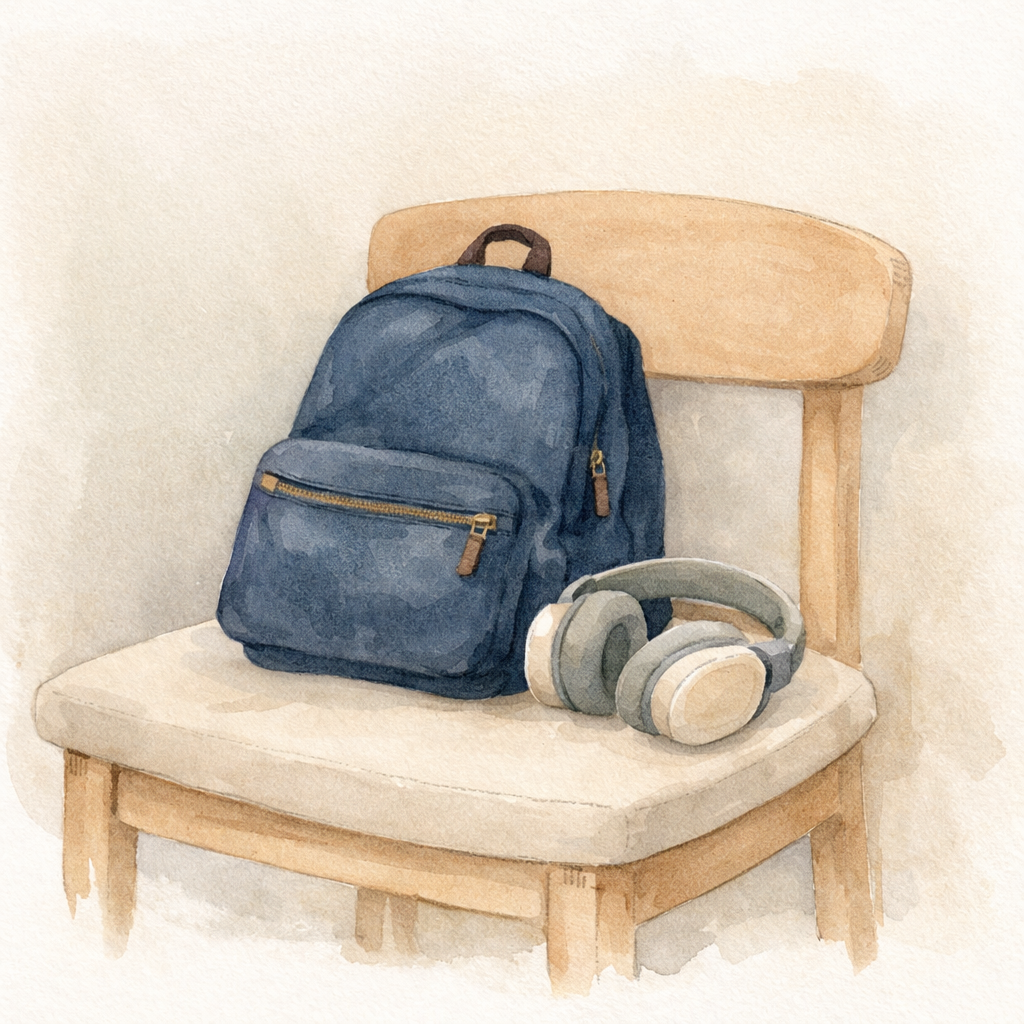
Planning for More Mental Stimulation (and More Derailing)
Outings with neurodivergent kids often come with:
• Unexpected sensory overload
• Sudden emotional shifts
• Rigid thinking or transitions
• Curiosity that leads to detours
• Questions – so many questions
• Moments where everything goes sideways
This is why caregivers mentally prepare. Not because they expect disaster, but because they know the reality of their child’s needs.
Exposure is valuable. But exposure without caregiver capacity can turn a learning moment into a meltdown – for the child or the adult.
Finding the Balance
The balance isn’t found in doing everything or avoiding everything. It’s found in asking:
• Do I have the bandwidth today?
• Is this exposure meaningful or just pressure?
• Can I scaffold this experience in a way that supports both of us?
• Is there a smaller, gentler version of this outing?
• What would make this feel doable instead of draining?
Sometimes the answer is yes – go. Sometimes the answer is no – not today. Sometimes the answer is modify – go, but with boundaries.
And all three are valid.
You Are Not Failing. You Are Strategizing.
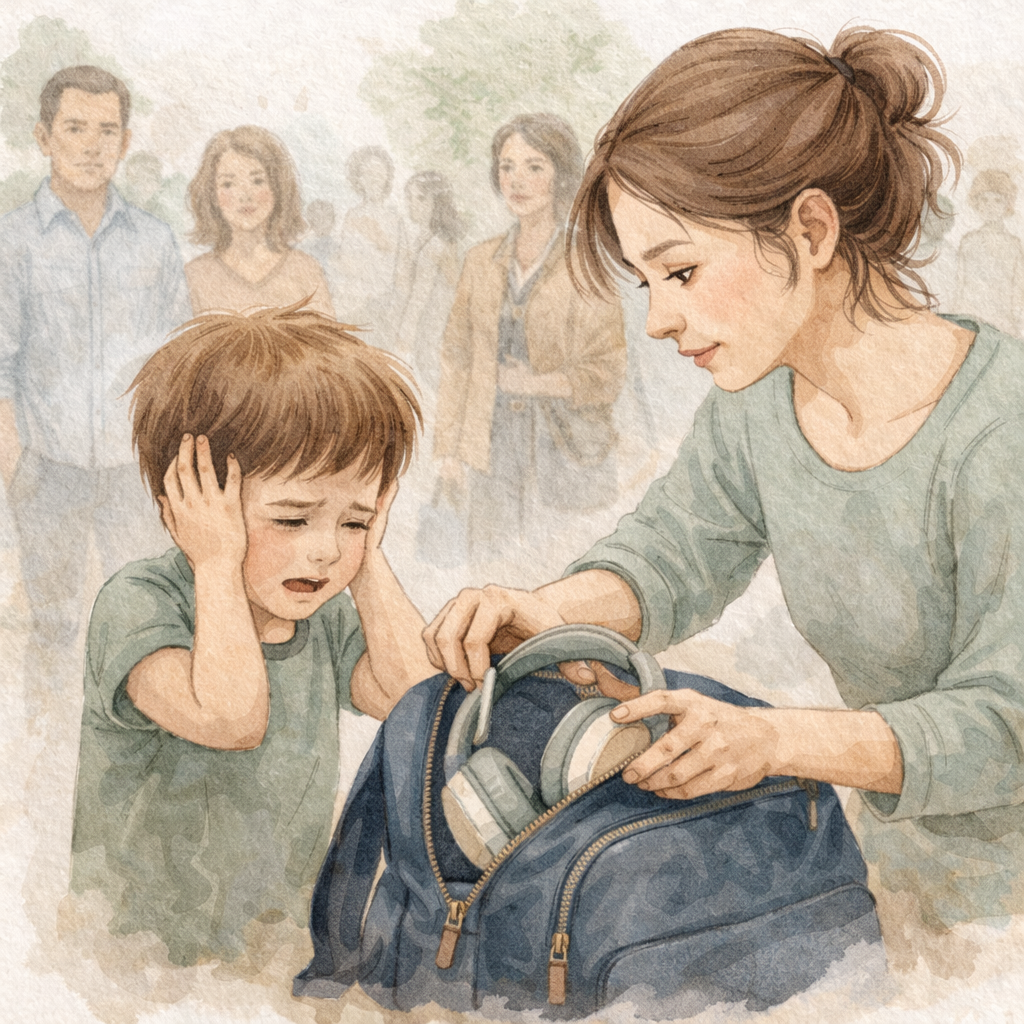
You Are Not Failing. You Are Strategizing.
Caregivers who pause, plan, and pace themselves are not failing their children. They are modeling:
• Self-awareness
• Emotional regulation
• Respect for limits
• Thoughtful decision-making
Your child learns from that, too.
Exposure matters. Timing matters. Balance matters. And so do you.

Let’s Connect
If you’re a military family member or neurodivergent parent who’s tired of hearing “you’re so strong” when what you need is actual support – welcome. You’re in the right place.
Email: hello@mindmental.co
Newsletter: Launching January 2026
Blog: New posts weekly
Follow along as we build something better – together.
Important Note: I am not a licensed therapist or counselor and I do not provide clinical mental health services. Mindmental offers educational resources, organizational tools, and community support based on professional experience and lived expertise. For clinical care, please contact a licensed provider.
You’re allowed to honor your limits without apologizing for them.
For families juggling unpredictability, transitions, and emotional load, I’m launching something designed with you in mind. You can explore it in the link right below this section.
Tags: #MilitarySpouse #NeurodivergentParenting #MilitaryFamily #SecondaryTrauma #MentalHealth #AutismParent #MilitaryLife